
Standard Poodle vs Bichon Frise
Comparing the Standard Poodle (varies) to the Bichon Frise (small) reveals two distinct breeds that each bring unique qualities to the table. When it comes to energy levels, the Standard Poodle is...
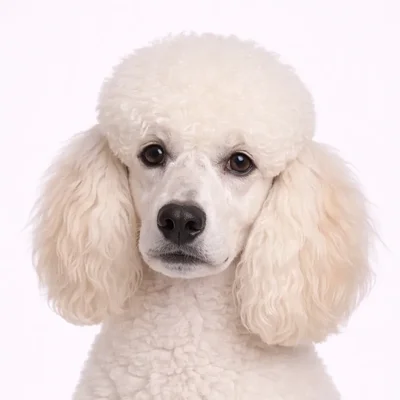
Standard Poodle
An athletic sporting breed built for activity and beloved for its friendly nature.
Poodles are among the most intelligent dog breeds. They come in three sizes (Standard, Miniature, Toy) and are known for their curly, hypoallergenic coat and elegant appearance.
View full profile →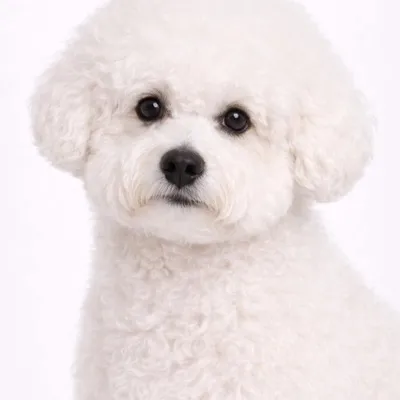
Bichon Frise
One of the best family dogs — playful, curious and endlessly patient with kids.
Bichon Frises are cheerful, small dogs with powder-puff appearances. They're playful, gentle companions that love everyone they meet.
View full profile →Side-by-Side Comparison
| Attribute | Standard Poodle | Bichon Frise |
|---|---|---|
| Size |
Varies 24-60 cm, 3-32 kg |
Small 23-30 cm, 3-6 kg |
| Lifespan | 12-15 years | 14-15 years |
| Energy Level |
★★★★☆
High
|
★★★☆☆
Moderate
|
| Grooming Needs |
★★★★★
Very High
|
★★★★★
Very High
|
| Trainability |
★★★★★
Very Eager
|
★★★★☆
Eager
|
| Kid Friendly |
★★★★☆
Very Good
|
★★★★★
Excellent
|
| Apartment Suitable |
★★★★☆
Good
|
★★★★★
Excellent
|
| Sociability |
★★★★☆
Friendly
|
★★★★★
Very Friendly
|
| Shedding | Minimal | Minimal |
Standard Poodle Temperament
Poodles are extremely smart, active, and excel at obedience training. They're eager to please and good with families. They can be reserved with strangers but aren't aggressive.
Bichon Frise Temperament
The Bichon Frise is known for being playful, curious, peppy. They're excellent with children and make wonderful family pets. Their intelligence and eagerness to please make training enjoyable. Early socialization helps them develop into well-rounded companions.
Exercise Needs
High energy breed requiring vigorous daily exercise—at least an hour of activity. They thrive with active families who enjoy outdoor activities. Mental stimulation through training and puzzle toys is equally important. Without adequate exercise, they may develop behavioral issues.
Moderate exercise needs with daily walks and regular play sessions. They enjoy a mix of physical activity and relaxation time. Interactive games and training sessions provide mental stimulation. A consistent exercise routine keeps them healthy and happy.
Health Overview
Generally healthy with a lifespan of 12-15 years. Common concerns include joint problems and skin conditions. Regular veterinary checkups and preventive care are important. Maintaining a healthy weight helps prevent many health issues.
Generally healthy with a lifespan of 14-15 years. Common concerns include patellar luxation and dental issues and skin conditions. Regular veterinary checkups and preventive care are important. Maintaining a healthy weight helps prevent many health issues.
Detailed Analysis: Standard Poodle vs Bichon Frise
Comparing the Standard Poodle (varies) to the Bichon Frise (small) reveals two distinct breeds that each bring unique qualities to the table. When it comes to energy levels, the Standard Poodle is noticeably more active and will require more daily exercise and stimulation than the Bichon Frise. In terms of trainability, the Standard Poodle generally picks up commands more readily, making it a slightly better choice for first-time owners. Grooming needs are comparable between the two breeds, with both requiring regular brushing and maintenance. Both the Standard Poodle and Bichon Frise are excellent family companions and do well with children, making either a great choice for households with kids. The Standard Poodle is known for being intelligent, active, alert, while the Bichon Frise is characteristically playful, curious, peppy. Ultimately, the right choice depends on your lifestyle, living situation, and experience level with dogs.
Which Is Right For You?
Choose a Standard Poodle If...
- ✓ You want an active, high-energy companion
- ✓ Easy trainability is important to you
- ✓ You prefer a more independent, loyal companion
- ✓ You or family members have allergies
Choose a Bichon Frise If...
- ✓ You prefer a calmer, less demanding energy level
- ✓ You have young children at home
- ✓ You live in an apartment or smaller space
- ✓ You want a more social, outgoing dog
- ✓ You prefer a smaller, more portable dog
The Bottom Line
Both the Standard Poodle and Bichon Frise make wonderful companions for the right owner. Consider your living situation, activity level, and experience with dogs to make the best choice for your family.
Frequently Asked Questions
What is the main difference between a Standard Poodle and a Bichon Frise?
The main differences lie in their size, energy levels, and temperament. The Standard Poodle is a varies-sized breed with high energy, while the Bichon Frise is small-sized with moderate energy. Check the detailed comparison above for a complete breakdown.
Which is better for families with children, Standard Poodle or Bichon Frise?
Both breeds can be good family dogs, but the Bichon Frise tends to score higher for kid-friendliness. Consider your children's ages, your living space, and how much time you can dedicate to training and exercise when making your decision.
Which breed is easier to train, Standard Poodle or Bichon Frise?
The Standard Poodle has a trainability rating of 5/5 while the Bichon Frise scores 4/5. The Standard Poodle is generally easier to train. Positive reinforcement works best for both breeds.
Do Standard Poodles or Bichon Frises need more exercise?
The Standard Poodle has high energy needs while the Bichon Frise has moderate energy needs. The Standard Poodle will require more daily exercise.
How long do Standard Poodles and Bichon Frises live?
The Standard Poodle typically lives 12-15 years, while the Bichon Frise has an average lifespan of 14-15 years. Proper nutrition, regular veterinary care, and appropriate exercise can help maximize lifespan for both breeds.